Cradle-to-cradle (C2C) thinking transforms products from linear consumption paths into perpetual material cycles. Unlike traditional "take-make-dispose" models that treat products as waste after use, the cradle-to-cradle concept designs products as nutrient sources for subsequent life cycles – whether through biological decomposition or technical material recovery.
This article defines cradle-to-cradle principles within circular economy frameworks, explains implementation across product design and manufacturing, demonstrates Life Cycle Assessments (LCAs) essential role in validating circularity claims, and reveals how professional tools transform circular strategies into competitive advantages.
- Cradle-to-Cradle: Key Facts at a Glance
- What Does Cradle-to-Cradle Mean?
- Cradle-to-Cradle & Circular Economy: Strategic Connection
- Cradle-to-Cradle in Practice: Design, Manufacturing & Products
- Why Cradle-to-Cradle Requires Life Cycle Assessment
- Business Value: Why Cradle-to-Cradle Can Create Competitive Advantage
- How IPOINT Supports Cradle-to-Cradle Implementation
- From Linear Consumption to Circular Value Creation
- Frequently Asked Questions
Cradle-to-Cradle: Key Facts at a Glance
-
Cradle-to-cradle is a circular design philosophy where products function as perpetual material sources rather than waste-destined consumption items.
-
Two material cycles define the C2C framework: biological nutrients that safely return to nature, and technical nutrients that circulate indefinitely through industrial systems.
-
Life Cycle Assessment verification is essential – LCA quantifies whether material loops genuinely reduce environmental impacts or merely shift burdens between lifecycle stages.
-
Business model transformation becomes possible through cradle-to-cradle principles, enabling product-as-service models, material banks, and competitive circular advantages.
-
Manufacturing integration requires supply chain transparency, comprehensive material tracking systems, and recovery infrastructure partnerships to implement C2C principles effectively.
What Does Cradle-to-Cradle Mean?
Cradle-to-cradle is a circular design philosophy where products function as nutrient sources for subsequent life cycles rather than generating waste. The concept originates from chemist Michael Braungart and architect William McDonough’s influential book "Cradle to Cradle: Remaking the Way We Make Things" from 2002.
The cradle-to-cradle definition establishes two fundamental material cycles:
- Biological cycle: Products designed with materials that safely biodegrade, returning nutrients to soil and ecosystems. Examples include compostable packaging, natural fiber textiles, and bio-based chemicals.
- Technical cycle: Products designed for disassembly and material recovery, enabling indefinite circulation through industrial systems. Examples include modular electronics, recyclable aluminum components, and material-pure plastics.
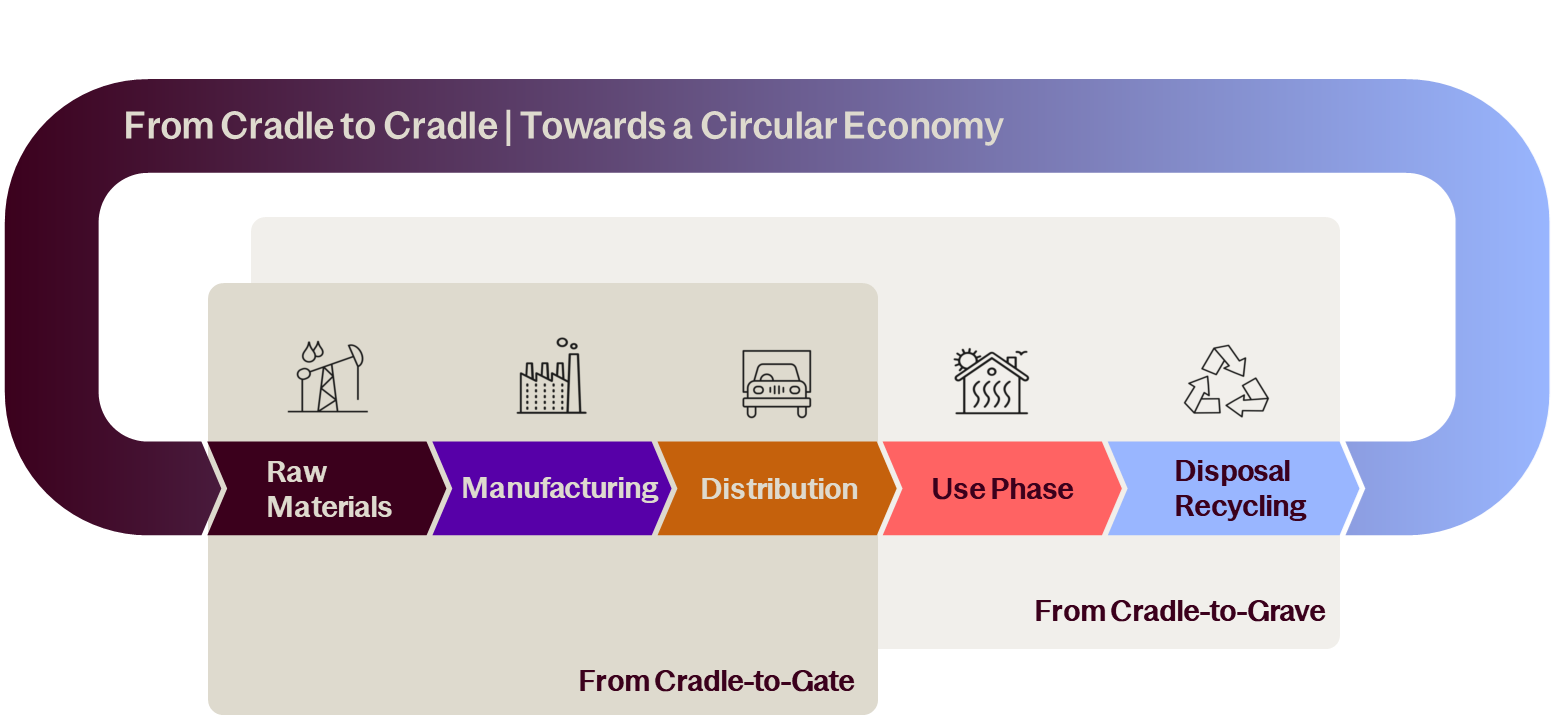
Unlike traditional recycling – often "downcycling" materials into lower-value applications – cradle-to-cradle principles maintain or enhance material quality through recovery cycles. This fundamental distinction separates aspirational sustainability from genuine circularity.
Cradle-to-Cradle & Circular Economy: Strategic Connection
Cradle-to-cradle provides the design methodology enabling circular economy business models and transformation. While circular economy describes systemic resource flow optimization, cradle-to-cradle offers practical principles for product-level implementation.
Strategic alignment manifests through:
- Design for circularity: C2C principles guide sustainable product design decisions, embedding recovery pathways from conception.
- Material health: Chemical selection ensuring biological safety or technical recyclability throughout material life cycles.
- Extended responsibility: Manufacturers maintain material ownership, incentivizing durable design and effective recovery.
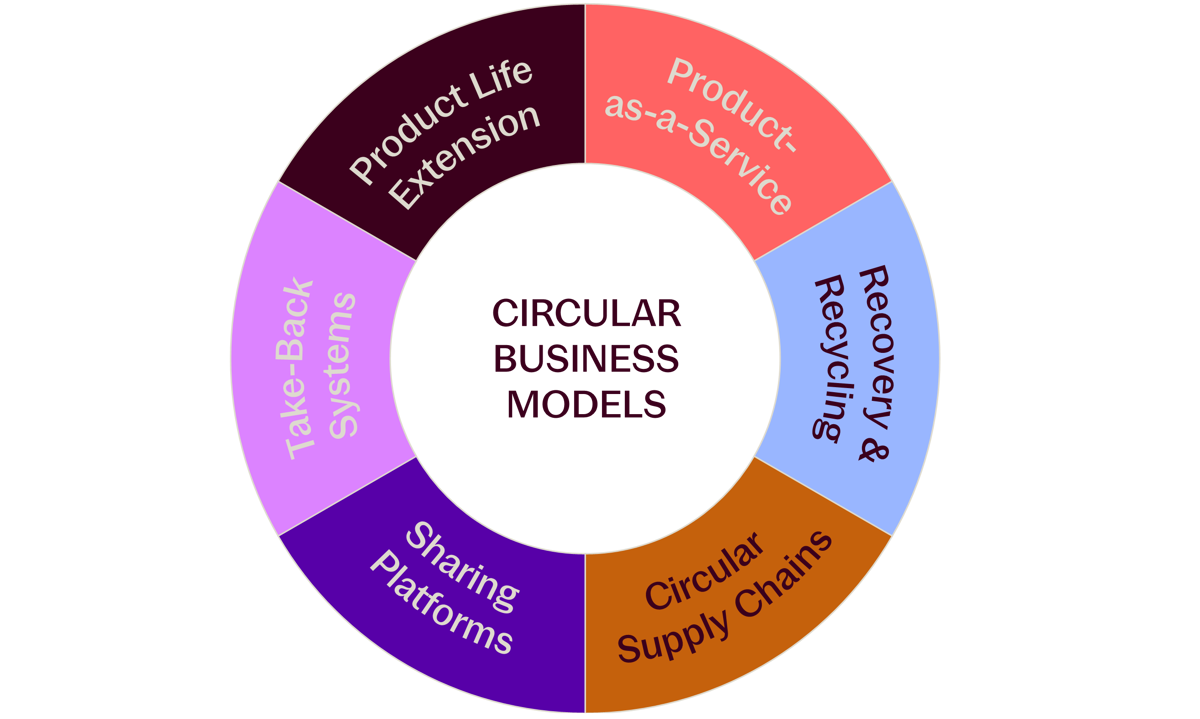
- Value retention: Circular business models capture value through material recovery, remanufacturing, and extended product lifespans.
This connection transforms environmental compliance and life cycle management into business innovation, where material recovery generates revenue streams while reducing virgin resource dependence.
Cradle-to-Cradle in Practice: Design, Manufacturing & Products
Implementing cradle-to-cradle principles requires integration across product development, manufacturing operations, and supply chain management.
Cradle-to-Cradle Design
C2C design methodology fundamentally differs from conventional product development. Designers select materials based on environmental safety and recovery potential rather than solely on performance and cost criteria.
Core design principles:
- Material health assessment ensuring safe biological degradation or technical recovery
- Product disassembly planning enabling efficient material separation
- Material purity maximization, avoiding incompatible material combinations
- Recovery pathway definition before manufacturing begins
Sustainable product design decisions made early determine whether products become valuable material sources or contaminated waste streams. Professional tools are especially valuable because they enable systematic material selection and recovery scenario modeling.
Cradle-to-Cradle Manufacturing
Manufacturing operations must support material tracking and recovery infrastructure. This requires transparency across supply chains and collaboration with material recovery partners.
Implementation requirements:
- Material composition documentation enabling precise recovery sorting
- Supply chain visibility ensuring material health verification
- Material Flow Cost Accounting quantifying resource efficiency and waste reduction opportunities
- Recovery infrastructure partnerships for collection, sorting, and reprocessing
Many manufacturers discover that cradle-to-cradle implementation reveals hidden inefficiencies. Material tracking systems expose waste streams representing both environmental impacts and lost revenue.
Cradle-to-Cradle Products
Successful C2C products span diverse industries demonstrating practical feasibility. Examples include compostable textiles returning to biological cycles, modular furniture designed for component replacement and recovery, and material-pure polymer products enabling infinite technical recycling.
These products share common characteristics: transparent material composition, designed recovery pathways, and business models supporting product return and material circulation.
Why Cradle-to-Cradle Requires Life Cycle Assessment
Circular claims demand environmental verification. Life Cycle Assessment provides the quantitative foundation, ensuring material loops genuinely reduce impacts rather than shifting burdens between life cycle stages.
LCA reveals critical insights:
- Burden-shifting prevention: Recovery processes consume energy and generate emissions. LCA quantifies whether recycling benefits outweigh recovery impacts. Some "circular" processes generate more emissions than virgin production.
- Hotspot identification: Complete life cycle analysis reveals where environmental impacts concentrate – often in unexpected stages. Design optimization targeting genuine hotspots delivers measurable improvements.
- Material selection validation: LCA compares alternative materials across complete life cycles, revealing trade-offs between recyclability, production impacts, and use-phase performance.
- Recovery scenario modeling: Cradle-to-cradle LCA extends traditional boundaries by modeling multiple product life cycles through recovery cycles. This reveals whether material quality degrades through repeated cycling.
Without LCA verification, cradle-to-cradle remains aspirational. Professional LCA software enables systematic circular product analysis following ISO 14040/14044 standards.

Business Value: Why Cradle-to-Cradle Can Create Competitive Advantage
Cradle-to-cradle principles enable business model innovation beyond environmental compliance. Organizations implementing C2C strategies unlock multiple value sources:
- Revenue diversification: Product-as-service models generate recurring revenue while maintaining material ownership. Customers purchase performance rather than products, shifting incentives toward durability and recovery.
- Risk mitigation: Circular material flows reduce exposure to virgin resource price volatility and supply disruption. Material banks create strategic reserves insulating against market fluctuations.
- Regulatory advantage: Emerging regulations, including the EU’s Circular Economy Action Plan, Ecodesign for Sustainable Products Regulation, and Extended Producer Responsibility directives, favor circular business models.
- Market differentiation: Verified circularity attracts sustainability-conscious customers and investors. Transparent material health documentation supports green procurement and ESG investment criteria.
- Cost reduction: Recovered materials often cost less than virgin alternatives when recovery infrastructure scales. Waste reduction through material circulation improves operational efficiency.
These benefits compound over time as circular economy systems mature and regulatory frameworks increasingly penalize linear consumption patterns.
How IPOINT Supports Cradle-to-Cradle Implementation
IPOINT’s integrated software ecosystem combines material transparency, life cycle assessment, and circular economy tools enabling systematic C2C implementation.
IPOINT’s Comprehensive Solution Suite
- Life Cycle Assessment Software: Model cradle-to-cradle product life cycles across multiple recovery cycles. Quantify environmental benefits of material circulation versus virgin production. Conduct ISO-compliant assessments verifying circularity claims.
- Circular Economy Platform: Manage material passports documenting composition and recovery pathways. Track products through multiple life cycles. Enable product-as-service business model implementation.
- Material Flow Cost Accounting: Quantify resource efficiency improvements. Identify waste streams representing recovery opportunities. Calculate economic benefits of material circulation.
- Supply Chain Transparency: Map material flows across multi-tier suppliers. Verify material health claims. Ensure recovery-compatible material selection throughout supply chains.
Validate Circularity Claims with Professional
LCA Software from IPOINT
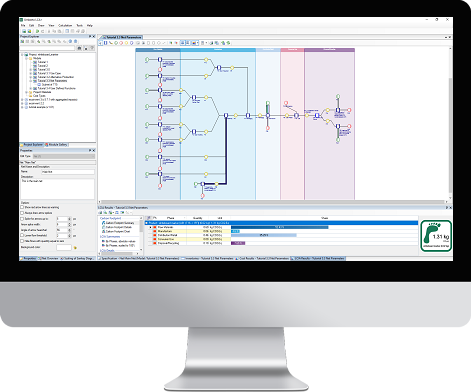
Model material cycles across multiple product life cycles, quantify recovery benefits, and identify genuine environmental improvements. Umberto enables ISO-compliant cradle-to-cradle assessments, revealing optimization opportunities.

From Linear Consumption to Circular Value Creation
Cradle-to-cradle principles transform products from waste-destined consumption items into perpetual material sources. This fundamental shift requires integrated approaches spanning product design, manufacturing operations, and business model innovation.
Life Cycle Assessment provides essential verification ensuring circular claims rest on quantified environmental performance. Without LCA, organizations risk implementing "circular" processes that merely shift environmental burdens rather than reducing total impacts.
Organizations mastering cradle-to-cradle implementation gain competitive advantages through diversified revenue streams, reduced resource risk exposure, and regulatory compliance confidence. As circular economy regulations intensify across EU markets, C2C capabilities transition from innovation experiments to market access prerequisites.
Frequently Asked Questions
What does cradle-to-cradle mean in business?
Cradle-to-cradle in business represents a circular design philosophy where products function as material sources for subsequent life cycles rather than generating waste. This enables new business models including product-as-service offerings where manufacturers maintain material ownership. Additional value streams emerge through material banking that creates strategic resource reserves and recovery-based revenue from remanufacturing and material circulation.
How does cradle-to-cradle relate to LCA?
Life Cycle Assessment provides essential verification for cradle-to-cradle claims by quantifying whether material loops genuinely reduce environmental impacts. LCA prevents burden-shifting where recovery processes consume more resources than virgin production. Cradle-to-cradle LCA extends traditional system boundaries by modeling products through multiple life cycles, revealing whether material quality degrades through repeated cycling.
How can companies implement cradle-to-cradle in manufacturing?
Implementing cradle-to-cradle manufacturing requires three foundations: transparent material composition documentation enabling recovery sorting, supply chain visibility verifying material health, and recovery infrastructure partnerships for collection and reprocessing. Companies should start with material assessments, pilot C2C on select products, and establish take-back systems before portfolio-wide transformation.
What are cradle-to-cradle principles?
Core cradle-to-cradle principles start with designing products for biological or technical nutrient cycles where materials safely biodegrade or circulate indefinitely. Material health assessment ensures environmental safety while product disassembly planning enables efficient material separation. Rather than downcycling, C2C maintains material quality through recovery cycles under extended manufacturer responsibility.
How do circular business models create value?
Circular business models create value through multiple mechanisms. Product-as-service generates recurring revenue while maintaining material ownership and incentivizing durability, while material recovery reduces virgin resource costs and supply chain risk exposure. Regulatory compliance positions companies advantageously under evolving Extended Producer Responsibility legislation, market differentiation attracts sustainability-conscious customers and ESG investors, and operational efficiency improves through waste reduction.